
Landscaping Design Ideas That Will Elevate Your Home’s Exterior
A thoughtfully designed yard can make a home feel more complete, welcoming, and functional. Landscaping shapes the first impression of the property, but it also influences how comfortably outdoor areas can be used for relaxing, dining, entertaining, or everyday movement. The strongest designs combine plants, hardscaping, lighting, water, and practical circulation into a cohesive plan. Working with a landscaping company can help homeowners connect these elements so the finished exterior reflects the home's style while supporting long-term use.
Build the Design Around Well-Suited Plants
Plant selection establishes much of the color, texture, and seasonal character of a landscape. Native plants are often useful because they are adapted to regional conditions and may require less supplemental water or intensive care than poorly matched varieties. They can also support birds, pollinators, and other local wildlife.
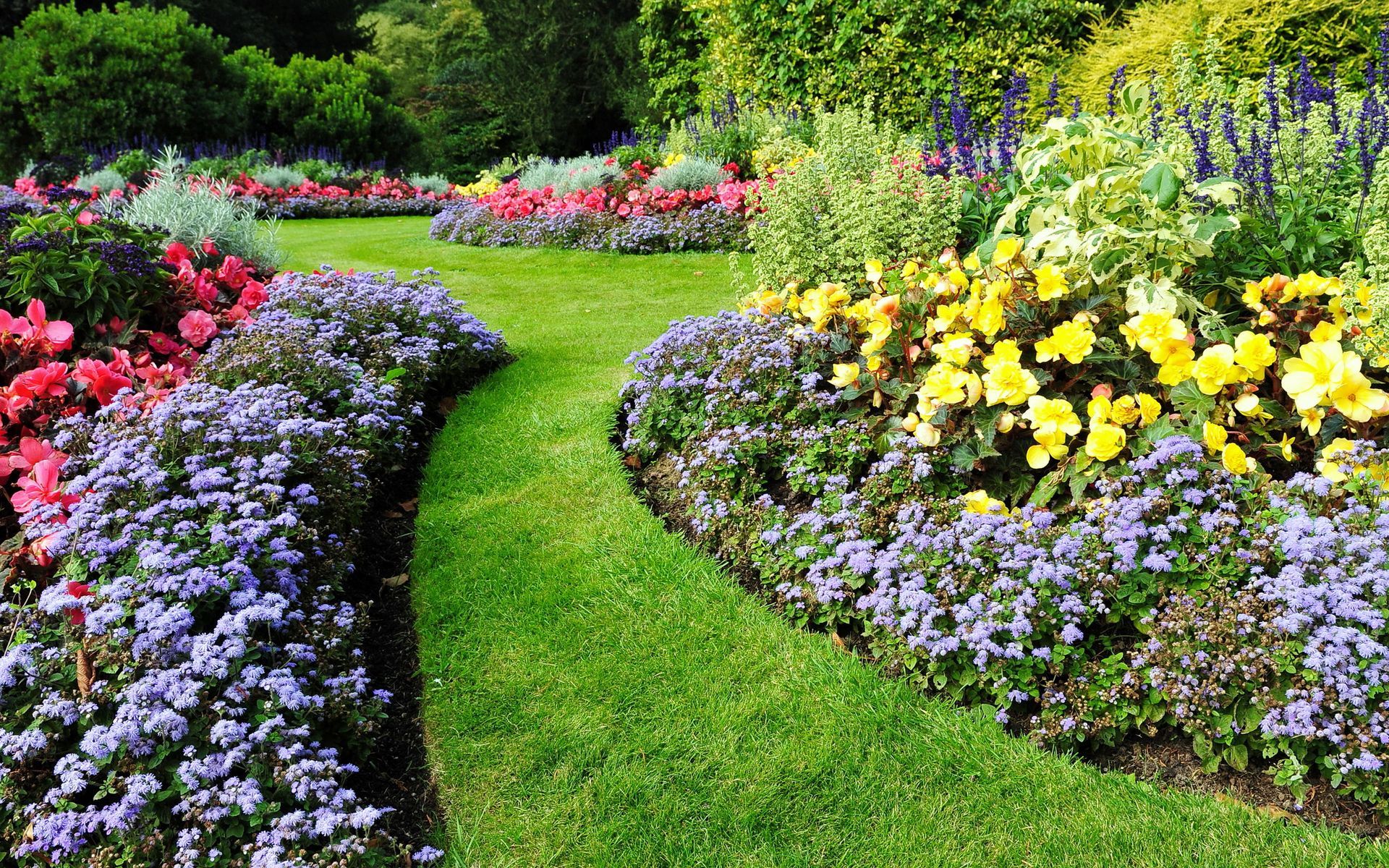
A successful planting plan should account for sunlight, soil, moisture, mature plant size, and bloom periods. Grouping plants with similar needs can simplify care and create a more organized appearance. Layering ground covers, flowering plants, shrubs, and taller specimens can add depth without making beds feel crowded.
Repeating colors or forms across the property can create continuity, while a few contrasting plants can draw attention to an entrance, walkway, or patio edge. A landscaping company can help organize plantings around the available space and the level of maintenance the homeowner wants to manage.
According to LawnStarter, homes with landscaping generally have a 5% to 12% cost advantage over similar homes without landscaping. That estimate highlights the financial value of a well-presented exterior, but the practical benefits are equally important. Thoughtful planting can soften hard surfaces, improve curb appeal, and make outdoor areas feel more intentional.
Create Outdoor Living Areas With a Clear Purpose
Outdoor living spaces work best when each area has a defined use. A patio may support dining, a fire pit area may encourage conversation, and a shaded corner may serve as a quiet retreat. Trying to fit too many purposes into one small space can make the layout feel cluttered, so homeowners should decide which activities matter most before selecting features.
Comfort should guide the design. Seating needs adequate room, dining areas require clear circulation, and cooking spaces should be positioned so people can move safely. Shade from a pergola, umbrella, or nearby planting can improve usability during warmer weather, while a fire feature can make the area more inviting during cooler seasons.
Furniture and décor should support the outdoor environment rather than overwhelm it. Weather-resistant seating, planters, cushions, and rugs can introduce personality, but the permanent design should remain strong even when accessories are removed. A landscaping company can coordinate patios, walkways, planting beds, and gathering spaces so the area feels like a natural extension of the home.
Use Hardscaping to Add Structure and Movement
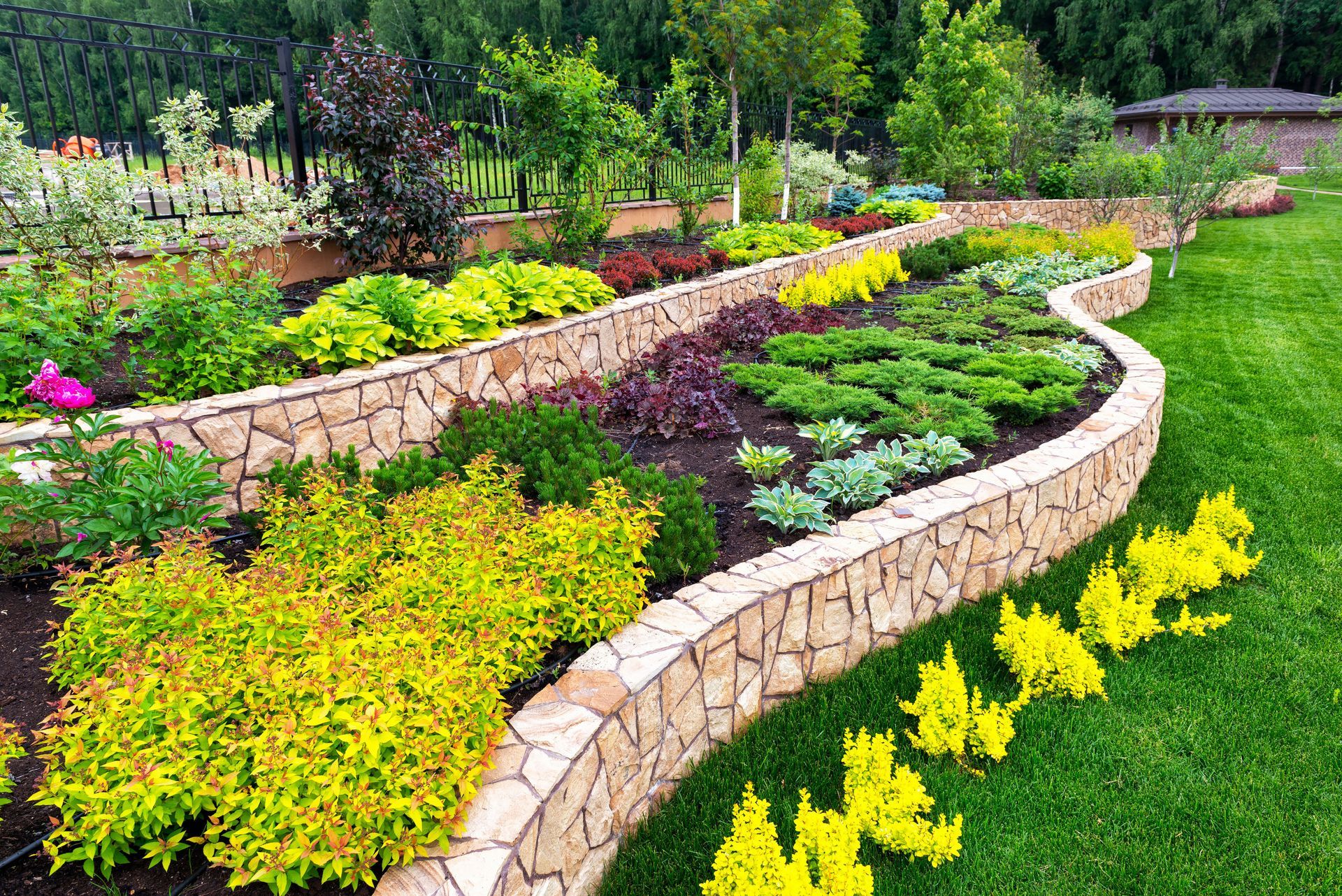
Hardscaping provides the framework that connects different sections of the yard. Patios create usable surfaces, walkways direct traffic, and retaining walls can define planting areas or manage changes in elevation. Materials such as natural stone, brick, and concrete pavers offer different colors, textures, and maintenance requirements.
Homeowners should consider durability, drainage, budget, and how each surface will be used. A heavily traveled walkway needs a stable material, while a smaller garden path may allow more flexibility in shape and finish. Plantings can soften patio edges, while stone borders can give flower beds stronger definition.
Curved paths can create a relaxed appearance, and straighter lines may suit a more formal exterior. A landscaping company can help balance constructed and planted elements so neither dominates the yard. Permeable paving may also support drainage in suitable locations while maintaining the function of a patio or walkway.
Add Water Features Without Overcomplicating the Space
Water features can introduce sound, movement, and a strong focal point. Options range from small fountains and birdbaths to ponds and waterfalls. The right choice depends on the size of the yard, the desired effect, and the amount of maintenance the homeowner is prepared to handle.
A compact fountain can work well near a patio or entrance without consuming much space, while a larger yard may accommodate a pond or waterfall. Pumps, filters, water quality, algae control, and seasonal care may all affect the amount of attention required.
Natural stone, pebbles, and moisture-tolerant plants can help a water feature feel integrated rather than placed on top of the design. It should also be visible from frequently used areas without obstructing walkways or making the layout feel crowded.
Improve Safety and Atmosphere With Outdoor Lighting
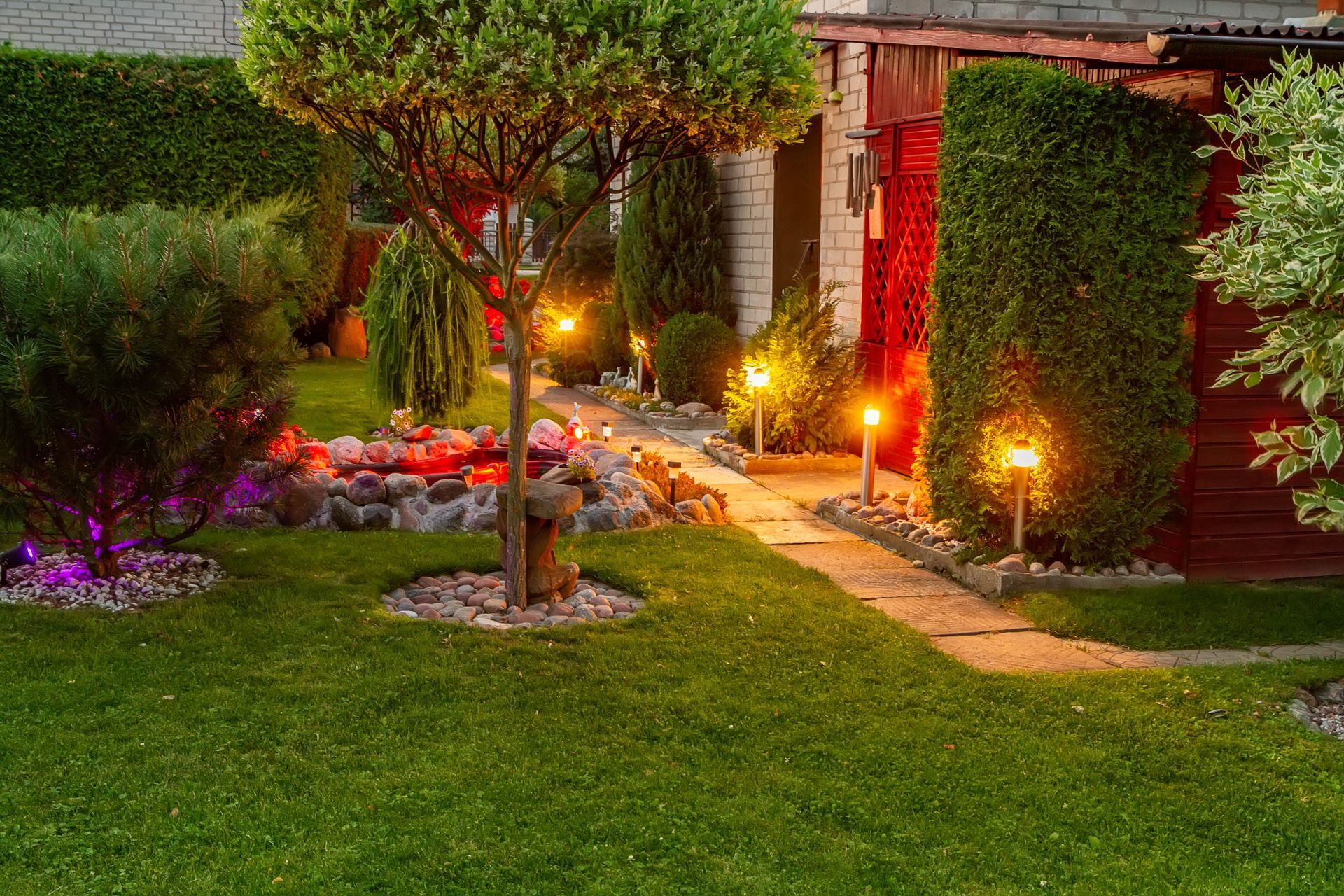
Outdoor lighting extends the usefulness of the yard after sunset while improving visibility around steps, walkways, and gathering areas. It can also highlight trees, architectural details, walls, or water features that would otherwise disappear at night.
Lighting should be layered rather than concentrated in one place. Pathway lights can guide movement, accent lights can emphasize landscape features, and softer fixtures can support patios or seating areas. Too much brightness can make the property feel harsh, so the goal should be useful illumination with controlled intensity.
Energy-efficient fixtures, timers, and motion sensors can help manage electricity use. A landscaping company can help determine where lighting will contribute to safety, usability, and visual balance without creating unnecessary glare.
Make Small Areas Work Harder
A limited yard does not prevent strong landscape design. Small spaces often benefit from clear zoning, restrained material choices, and vertical elements that use height instead of consuming additional ground area. Trellises, wall planters, and narrow planting beds can add greenery without reducing circulation.
Vertical gardens may support ornamental plants, herbs, or compact edible varieties. Their structures must be strong enough to hold the plants and growing medium, while the watering method should provide consistent moisture without damaging nearby surfaces. Regular pruning also helps prevent the display from becoming overgrown.
Built-in seating, narrow pathways, and strategically placed containers can improve function in compact spaces. Repeating a small number of plants and materials can make the area feel larger and more cohesive than a design filled with unrelated features.
Support the Design With Sustainable Practices
Sustainability does not require sacrificing appearance. Native and drought-tolerant plants, efficient irrigation, mulch, and permeable surfaces can reduce unnecessary resource use while supporting a healthy landscape. Soil improvement and appropriate fertilization can also help plants establish successfully.
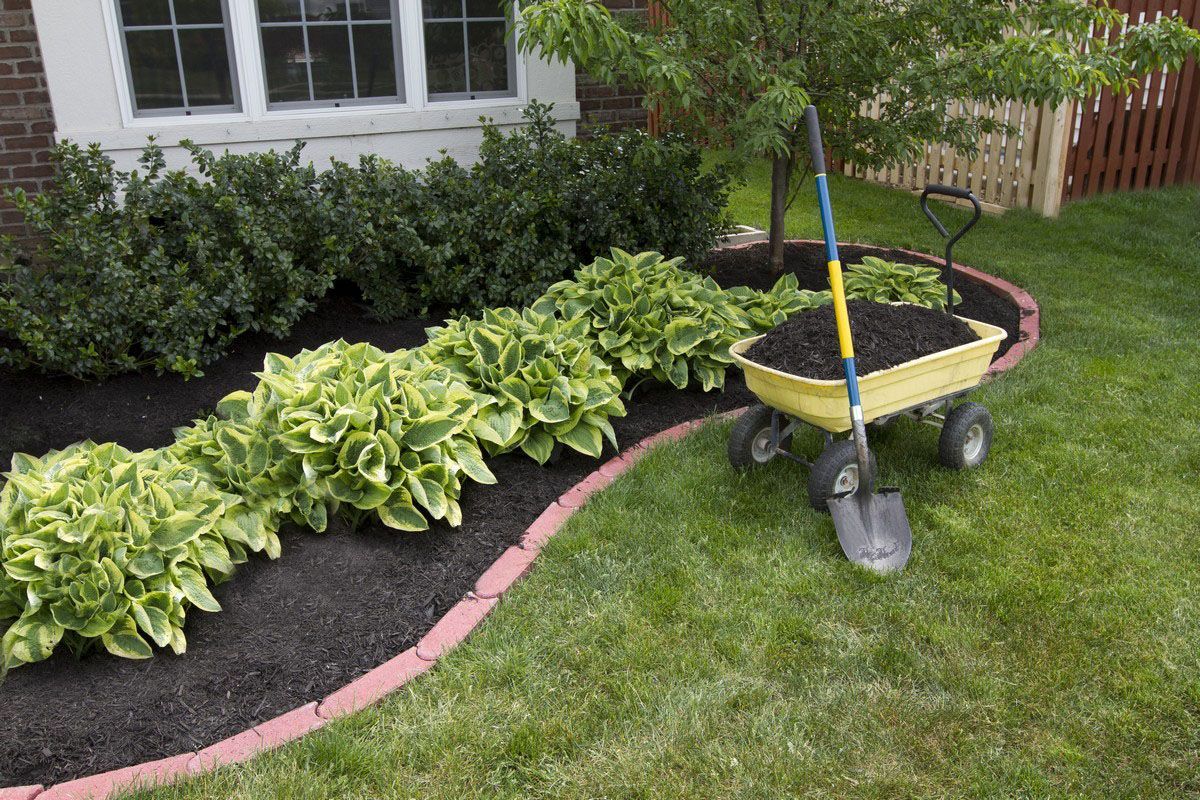
Drip irrigation can target planting areas, while timers can reduce overwatering. Mulch helps retain moisture and suppress weeds, creating a cleaner appearance around trees, shrubs, and flower beds.
Homeowners should also consider how the design will age. Plants need room to reach mature size, hardscape materials should suit the climate, and maintenance demands should remain realistic. A beautiful design that requires more care than the homeowner can provide may become difficult to preserve.
Bring the Exterior Together With a Cohesive Plan
The most effective landscape designs do not depend on isolated upgrades. Plants, patios, walkways, lighting, water features, and small-space solutions should reinforce one another and support the way the property is used. A clear plan helps homeowners avoid overcrowding, mismatched materials, and features that compete for attention.
Strong landscaping improves more than curb appeal. It can create comfortable outdoor living areas, guide movement, support seasonal interest, and make the exterior feel connected to the home. By choosing appropriate plants, durable materials, practical lighting, and features suited to the available space, homeowners can create an exterior that remains attractive and useful over time. The best result is a balanced landscape that feels intentional from the street, comfortable up close, and genuinely suited to everyday life.
Share On: